
We turn learning into experience—helping students understand, explore, and apply concepts with confidence.
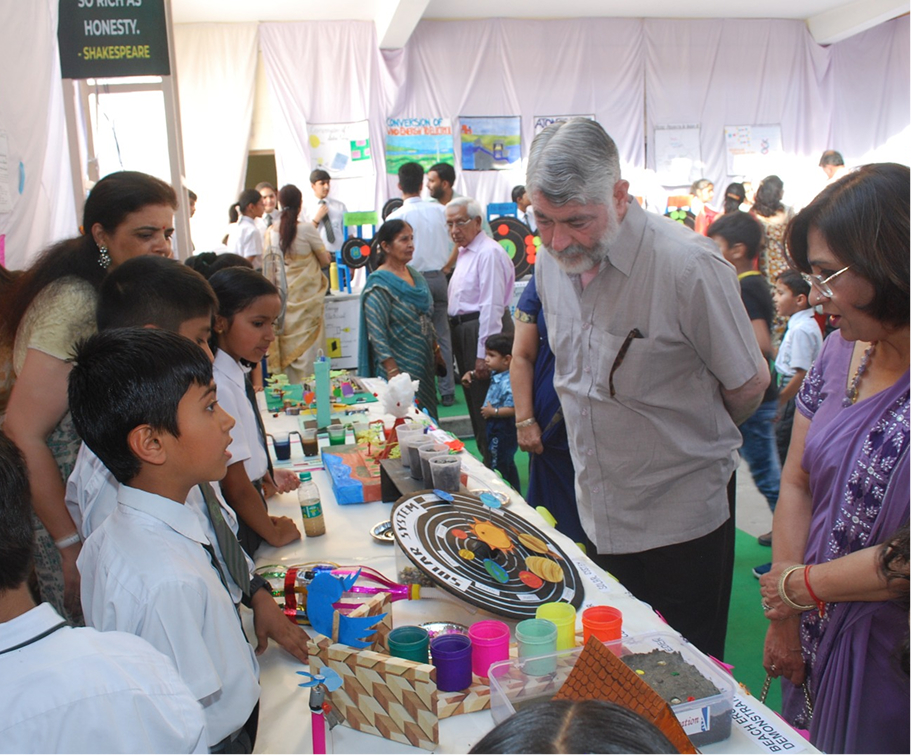
Where Learning Comes Alive
At our school, we believe that real understanding happens when students don’t just read science and mathematics—they experience it. That is why we run a structured experiential learning program for Grades 2 to 9 in collaboration with Discovery Science Learning. The program is built on a simple, powerful idea: “Learning by Doing”—where children explore concepts through activity, experimentation, and guided inquiry, so learning becomes deeper, more lasting, and more meaningful.
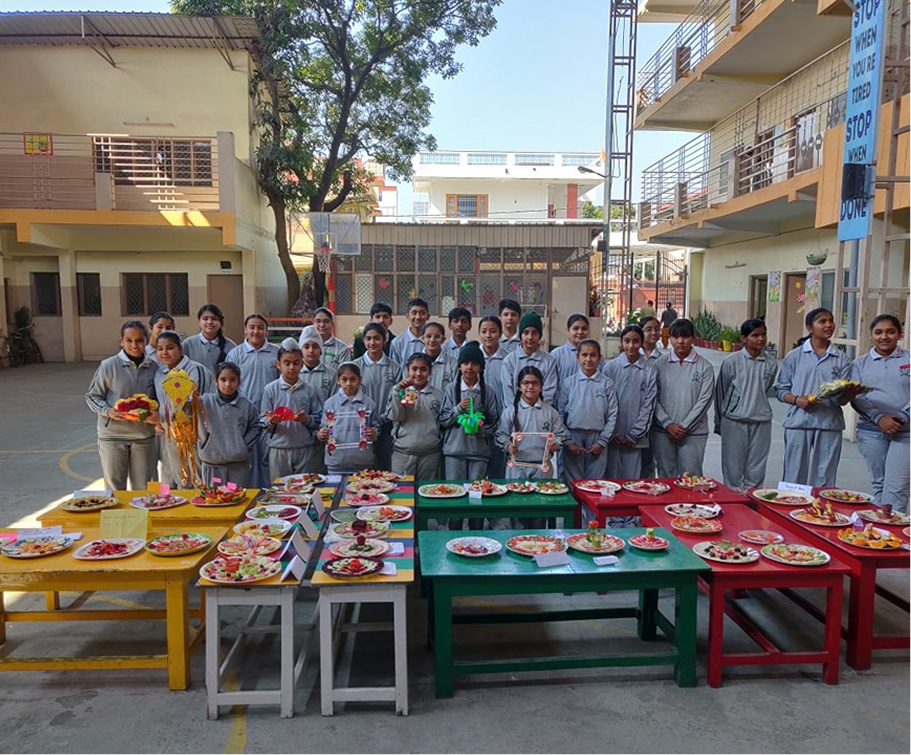
What makes this program different?
Our Program is designed to move beyond routine classroom instruction and bring concepts to life through hands-on learning, problem-solving, and real-world application. Students learn to ask better questions, test ideas, observe outcomes, and connect “why” and “how” with what they see around them—building both concept clarity and scientific temperament.
Most importantly, this is not a generic activity course. The program at our school is mapped to our curriculum, so experiments and activities are aligned with what students are learning in class. This makes it a truly tailored program, strengthening school learning rather than sitting alongside it.
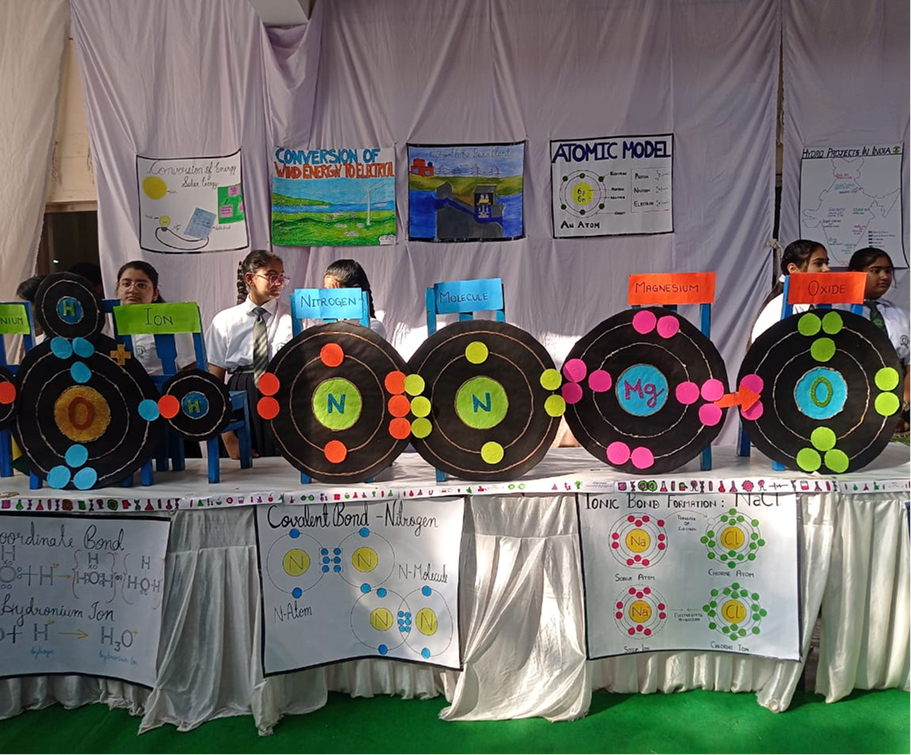
What students do?
The program uses a blend of interactive demonstrations, hands-on kits, and guided activities that turn abstract ideas into tangible experiences. Students work individually and in groups to:
- Perform curriculum-linked experiments and activities that reinforce classroom topics.
- Learn through observation, measurement, comparison, and logical reasoning.
- Build models, test hypotheses, and solve structured challenges.
- Develop essential process skills—critical thinking, inquiry, collaboration, and communication.
- Students receive take-home kits so that science stays with them even in times.
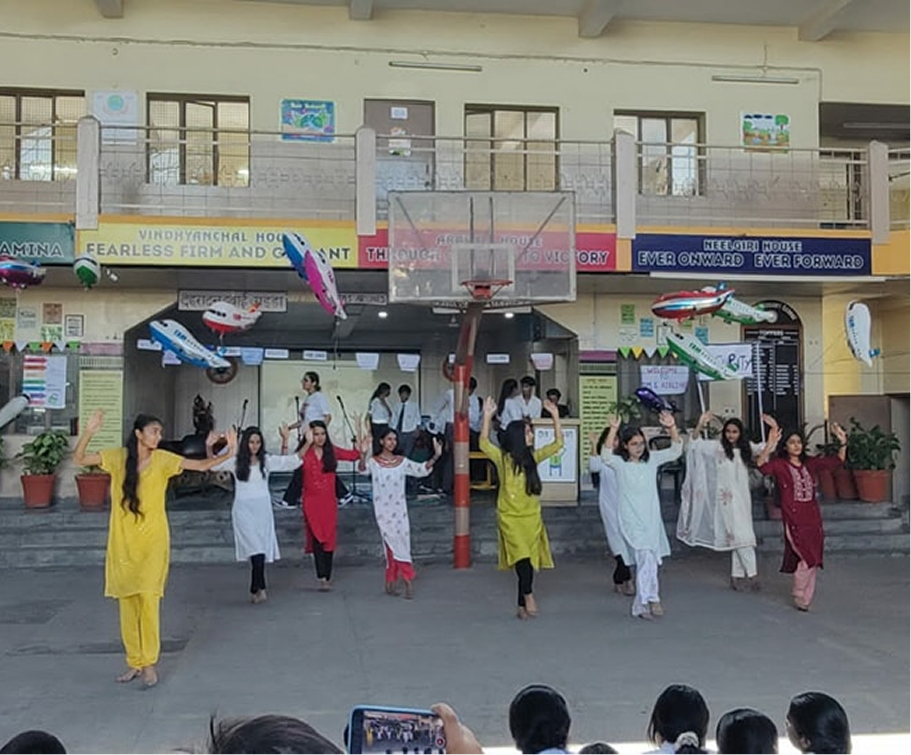
Building a future-ready learner
Our learning aligns strongly with competency-based education and the spirit of NEP-style learning, shifting the focus from rote memorization to:
- Concept mastery
- Application and reasoning
- Learning through exploration
- Skills for the real world
Over time, students become more confident in handling complex topics because they’ve experienced the concept—not just copied it down.
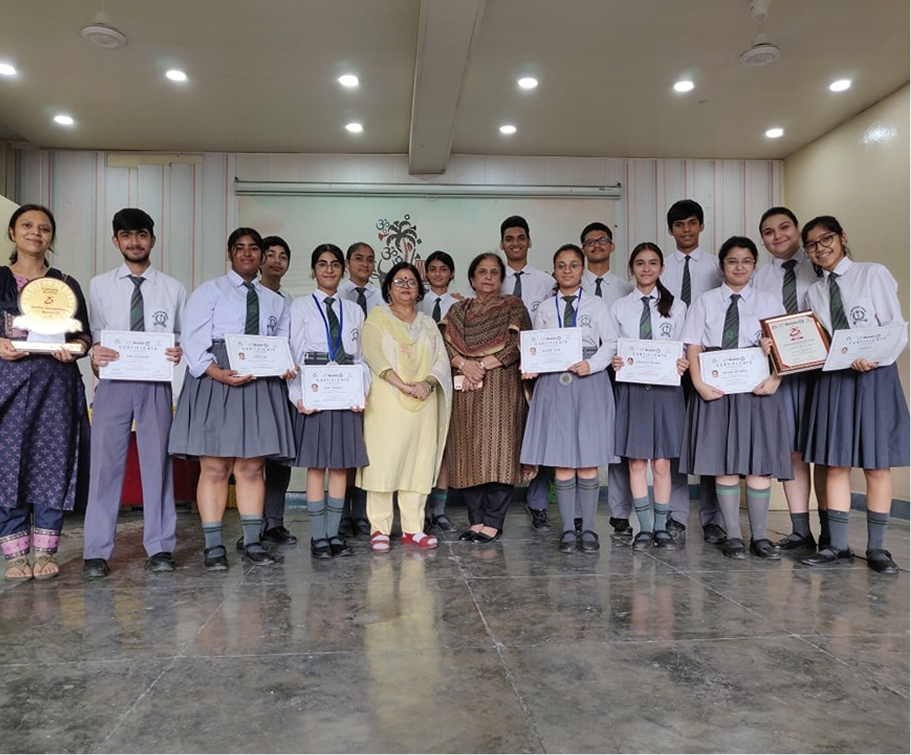
Outcomes we see in our students
Parents often notice that experiential learning changes how children approach studies. Students begin to:
- Understand concepts more clearly and retain them longer
- Show greater curiosity and willingness to ask questions
- Improve logical reasoning and problem-solving
- Participate more actively in class discussions
- Develop a genuine interest in science and STEM learning
In short, our Experiential Learning program strengthens academics by making learning active, joyful, and deeply conceptual—helping our students build the curiosity, confidence, and thinking skills they need not only for school, but for life.