
Excursions and outdoor learning turn lessons into experiences, building curiosity, confidence, independence, and real-world understanding beyond the classroom.
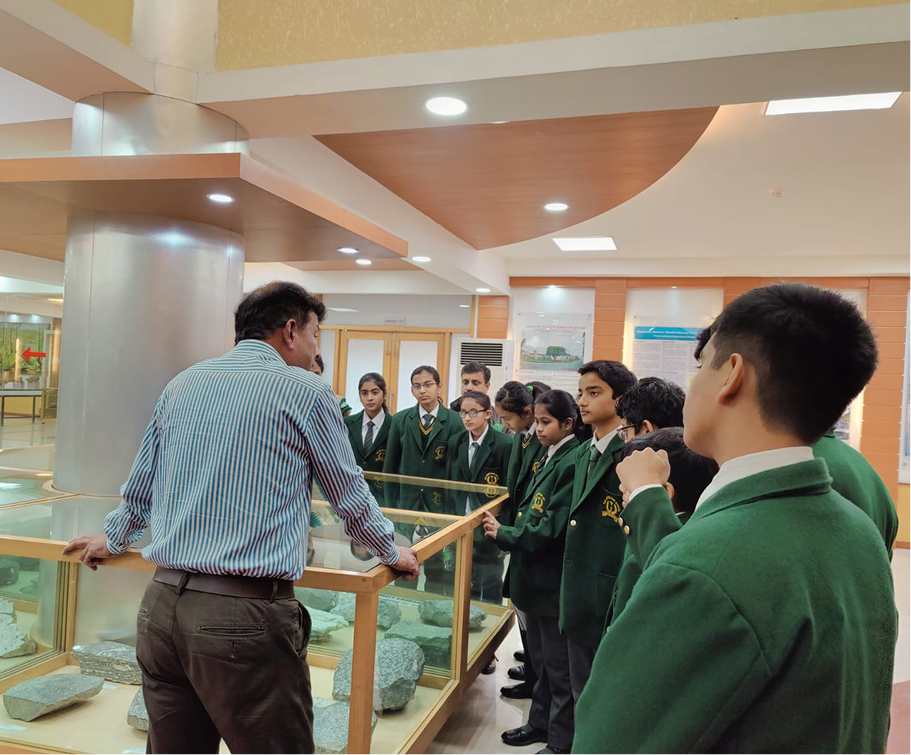
Why Excursions Matter?
Excursions support holistic learning in several ways:
- Real-world connection: Students see how ideas from textbooks exist in real life—science, history, geography, civics, and the world of work.
- Inquiry and critical thinking: New environments naturally spark questions and encourage deeper understanding.
- Confidence and independence: Students learn to follow instructions, manage themselves responsibly, and adapt to new settings.
- Team spirit and bonding: Shared experiences build friendships, empathy, and stronger peer relationships.
- Exposure and aspiration: Visits broaden horizons and often inspire students to think about future pathways and possibilities.
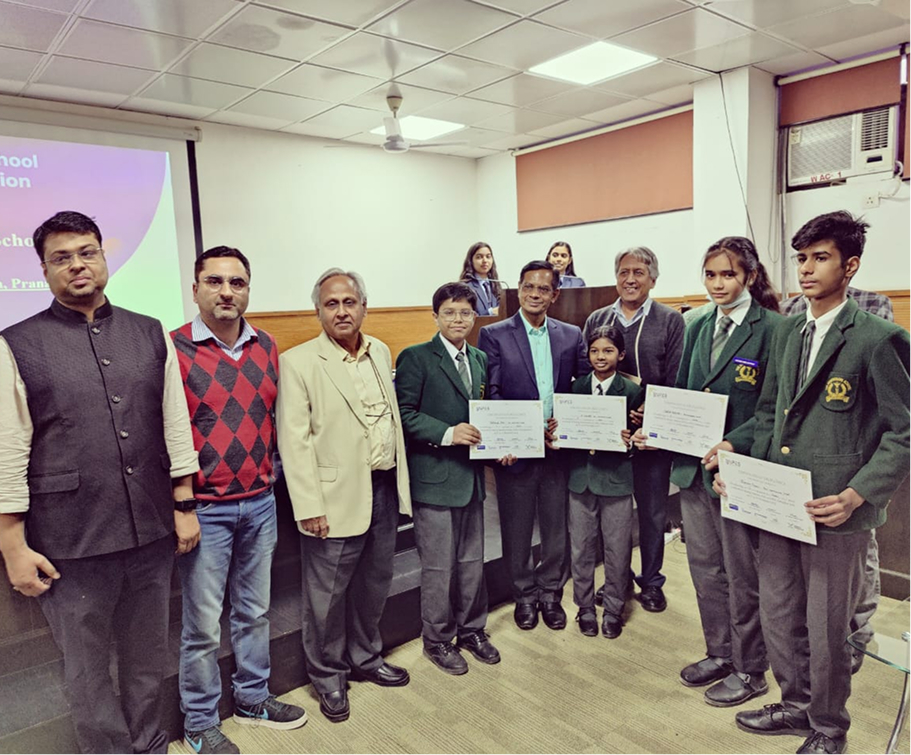
The Kind of Visits We Plan
- National institutions and leadership environments (such as the Indian Military Academy) that inspire discipline, service, and confidence
- Science and innovation spaces (such as Uttarakhand’s Science City, museums, interactive exhibits, planetariums, or innovation centres) that make STEM concepts come alive
- Industry and public-sector exposure (such as the ONGC Museum Forest Research Institute, and similar institutions) that introduce students to how large organisations function and how knowledge becomes real-world work
- Heritage and cultural visits—local monuments, cultural centres, exhibitions, and historic spaces that connect students to India’s civilizational richness
- Nature-based learning—parks, botanical gardens, eco-sites, river ecology visits, and outdoor awareness programmes that build environmental sensitivity
Community-focused visits and events—where students learn civic awareness, social responsibility, and respect for public spaces and institutions
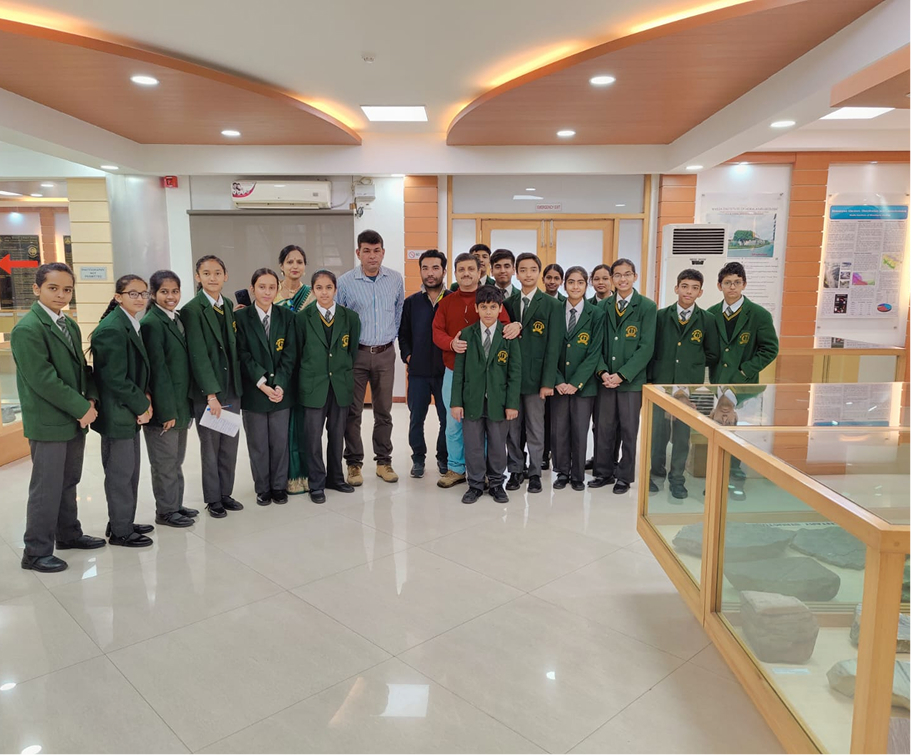
Learning That Continues After the Trip
Excursions are not treated as “one-day outings.” Teachers often connect visits with classroom learning through discussions, reflections, short writing tasks, projects, or presentations—so students process what they learned and build deeper understanding from the experience.
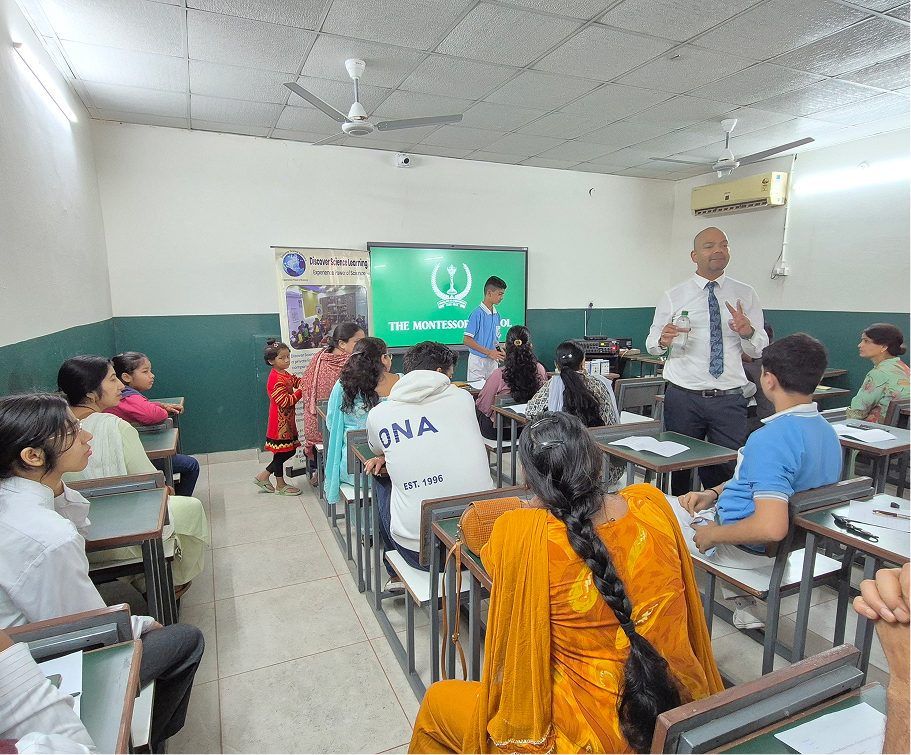
Safety, Planning & Supervision
Every excursion is planned with student safety and comfort as a priority. Trips are conducted with appropriate teacher supervision, clear student guidelines, structured schedules, and careful coordination to ensure students learn, travel, and participate responsibly.
Building Experiences that Stay
Excursions create memories—but more importantly, they create perspective. They help students become learners who are observant, curious, confident, and aware of the world around them. Through outdoor learning, our students don’t just learn about the world—they learn from it.